(937) 372-1445

Buyer's Inspection Service

Dayton, Ohio Home Inspectors

  • Home Inspections
    • The Inspection
    • Walk Through Inspection
    • New Construction
    • Inspection Report
    • Testing & Evaluation Options
    • Pricing
  • Commercial
    • The Inspection
    • Walk Through Inspection
    • The Inspection Report
    • Testing & Evaluation Options
    • Pricing
  • Consultation
    • Consultation Service
      • The Consult
      • Post Consultation
      • Pricing
    • Maintenance
      • Benefits
      • The Inspection
      • The Report
      • Pricing
  • Information
    • Choosing Inspectors
    • Comparing Inspectors
    • Licensed Inspectors
    • Walk Through Inspection
    • Sample Report
    • Additional Testing Options
  • About
    • The Inspection Team
    • How We Started
    • Our Home Inspection Guarantee
  • FAQ
    • Blog
    • Contractors
  • Contact Us
  • Reviews
You are here: Home / Frequently Asked Questions / Electrical / Breaker Panel Sizing

Breaker Panel Sizing

Commonly referred to as the Fuse Box, Breaker Panel, or Electric Panel, the Load Center is the heart of the electrical system in any building. It takes the large incoming electric supply from the utility company and distributes the power throughout the house as smaller protected feeds.

The main disconnect fuses or breakers act as safety barriers in the case of an electrical problem or overload. The most common sizes in residential use are 100 amps, 150 amps and 200 amps. The amperage (amps) referred to is a measurement of electricity. The higher the number of amps, the more electricity you can use in your home.

60 Amp Panel
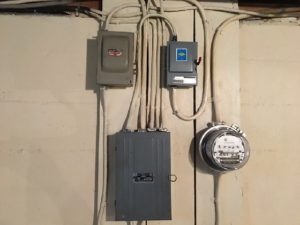
This size service, usually a fuse box, is no longer installed in new homes because homes now use a lot more electricity than they did 40 years ago. This size service is inadequate for normal load use. If you have a home with this size service we recommend that it be upgraded to 100 amp service.
Banks or mortgage companies are no longer loaning money for homes with this size service.

100 Amp Panel

This size panel, usually equipped with fuses or circuit breakers, is ideal for an average home with normal electrical demands.
Adequate for a home up to 2500/3000 sq ft that has gas heat & water and one air conditioner.

NOTE: This size panel may not be adequate if you want to add a hot tub and there is already central air, electric clothes dryer and water heater.

150 Amp Panel

This panel is rarely used when rewiring because the cost for installing the larger 200 amp panel is not very much more and it provides a lot more service. This panel commonly found in new construction is well suited to most average sized homes.

NOTE: 150 or 200 amp service is always necessary in smaller all electric homes
(homes that have a heat pump with electric back up heat, electric furnace, baseboard or radiant ceiling heating)

200 Amp Panel
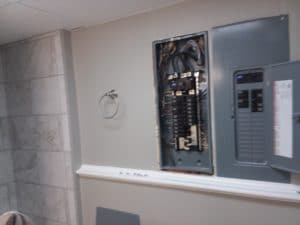
This size panel is well suited to most average to larger size homes, allowing the homeowner plenty of leeway to add a hot tub, additional outlets, etc. This panel may not be adequate for homes of 3,500 sq. feet or larger, especially if the home has electric appliances, water heater and there is dual air conditioning system, hot tub etc.

In homes exceeding 3,500 / 4,000 sq feet it is not uncommon to see two panels, a 200 amp panel and an additional 100 or 200 amp panel.

NOTE: Wires entering the load center, enter through a hole or “knockout”. Before these wires can be routed through the hole, a wire clamp must be inserted and secured in the hole. The wiring is then fed through the clamp and secured. All removed knock outs or twist outs if not used must be closed up using a blank.
Inspectors’ Recent Posts


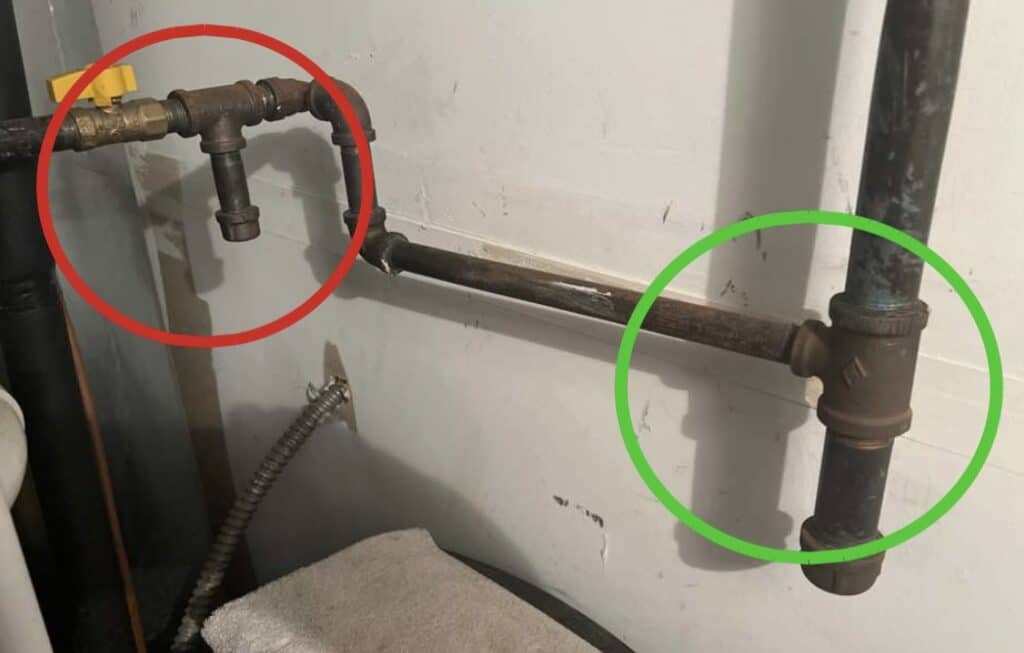
Gas Line Dirt Legs

March 28, 2025 By David Roche

Gas and particularly natural gas piping may have traces of sediment or particulates in it, especially if work has been done to the underground piping under the street. To trap any contaminates before they flow into the appliance, blocking the burner and creating problems for the home owner a series of dirt legs are installed. […]Read More about Gas Line Dirt Legs

Thermostat Placement Is Crucial

March 13, 2025 By David Roche

A badly placed thermostat plays havoc with the heating and cooling of a house. In this case the wall light creates a warm zone beside the thermostat causing it to register hotter than the rest of the house. This means that it reaches what it registers as the set temperature shutting the furnace down before […]Read More about Thermostat Placement Is Crucial

Bath Overflow Loose

January 25, 2025 By David Roche

All too often the overflow on the bathtub is loose or worse yet loose and the gasket damaged. If the bath is filled up to the overflow and it is loose the water will go down behind the tub which if it’s on the second floor could damage the ceiling. The water can also create […]Read More about Bath Overflow Loose

Bonding Gas Piping

January 8, 2025 By David Roche

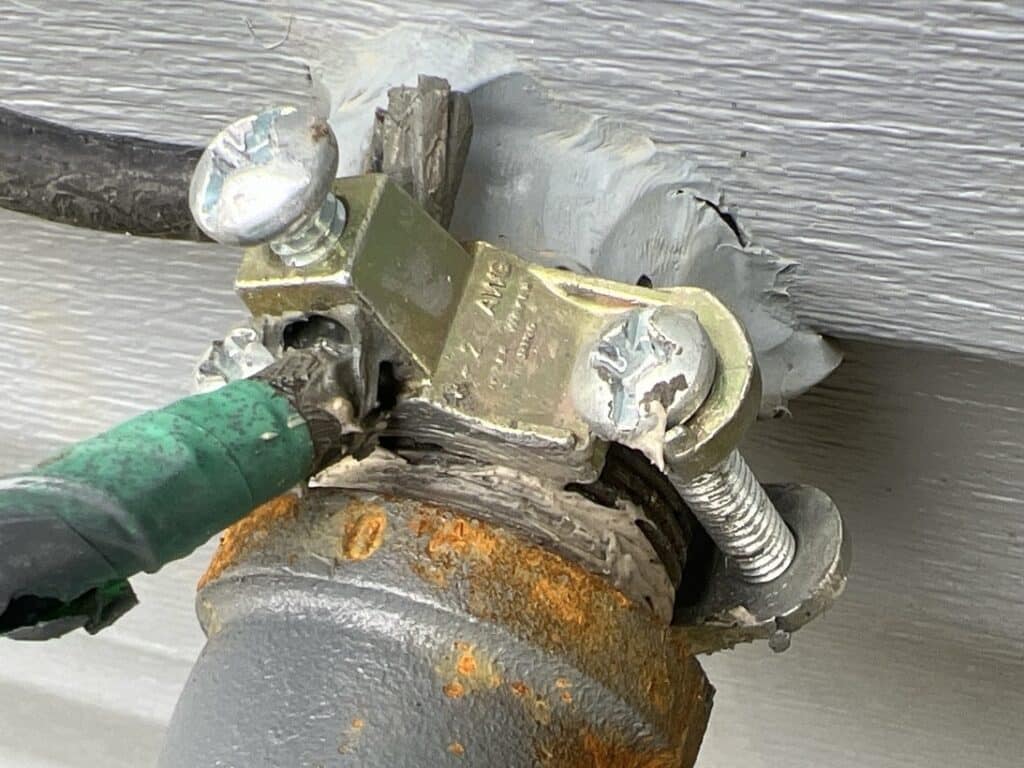
A bonding wire is often mistaken for a ground wire, it does not go to ground but back to the electric panel. When it is connected to black iron *(steel)* piping the paint under the clamp must be removed with a rasp or sandpaper to make a good contact, paint reduces the contact rendering the […]Read More about Bonding Gas Piping

High Efficiency Furnaces In Attic

December 31, 2024 By David Roche

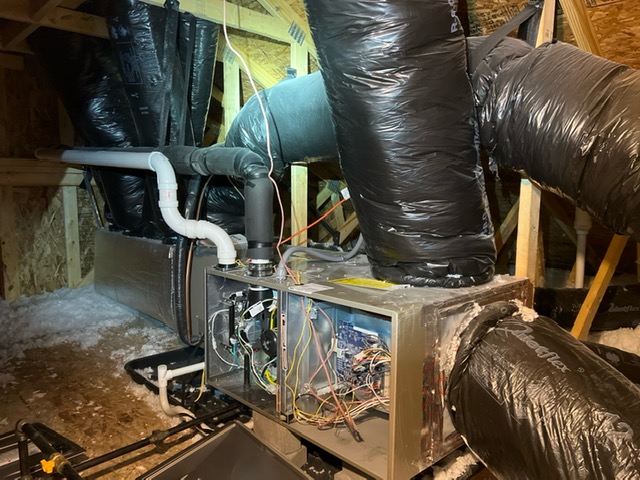
High efficiency furnaces recognisable by the white PVC flue pipe, installed in an unheated attic is not your best choice of location, it may be the only place to put it which does not change the fact that it is not ideal. Yes, many builders and furnace installers are installing them in the attic without […]Read More about High Efficiency Furnaces In Attic

Buyer's Inspection Service

Mailing Address
P.O. Box 707
Xenia, OH 45385

Address (No walk-ins)
120 West Second Street
Dayton, OH 45402

Clebrating 26 Years of Business
ASHI - American Society of Home Inspectors
InterNACHI - International Association of Certified Home Inspectors
ASI - American Inspectors Society

Connect with Us

  • facebook
  • youtube
  • phone
  • email

NAHI - National Association of Home Inspectors, Inc.

About Us

We are local, not a franchise that "self certifies" its Inspectors. We have earned the highest level of licensure available in the country and are ready to give you the Inspection you deserve. Our referrals and reviews tell us that we are really detailed, strive to deliver a quality product and are great at explaining what we find.

Customer Reviews

Google Rating
Based on 562 reviews
Facebook Rating
Based on 25 reviews
Yelp Rating
Based on 13 reviews

(937) 372-1445
© 2025 Buyer’s Inspection Service · Legal Disclaimer