(937) 372-1445

Buyer's Inspection Service

Dayton, Ohio Home Inspectors

  • Home Inspections
    • The Inspection
    • Walk Through Inspection
    • New Construction
    • Inspection Report
    • Testing & Evaluation Options
    • Pricing
  • Commercial
    • The Inspection
    • Walk Through Inspection
    • The Inspection Report
    • Testing & Evaluation Options
    • Pricing
  • Consultation
    • Consultation Service
      • The Consult
      • Post Consultation
      • Pricing
    • Maintenance
      • Benefits
      • The Inspection
      • The Report
      • Pricing
  • Information
    • Choosing Inspectors
    • Comparing Inspectors
    • Licensed Inspectors
    • Walk Through Inspection
    • Sample Report
    • Additional Testing Options
  • About
    • The Inspection Team
    • How We Started
    • Our Home Inspection Guarantee
  • FAQ
    • Blog
    • Contractors
  • Contact Us
  • Reviews
You are here: Home / Frequently Asked Questions / Electrical / Aluminum Wiring

Aluminum Wiring

Aluminum wiring can be a problem in homes. The circuits involved will most likely be those supplying the lights, outlets, clothes dryer and water heater.

How to find out if you have it…

This can usually be done by looking at the electrical wiring, either between the open floor joists, in the basement, up in the attic, or at the service panel. If the wiring is aluminum and was manufactured before May 1977, the outer covering of the cable will be marked, at least every 12 inches, with the word ALUMINUM, or an abbreviation, ALUM, or AL. If the cable was manufactured after May 1977, the marking may be either ALUMINUM ACM, ALUM ACM, or AL ACM.
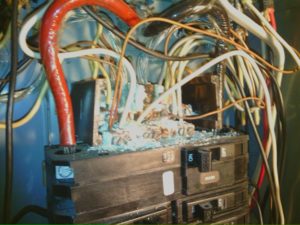
Sometimes a mixture of aluminum and copper wiring is installed. If you find that the wiring installed for lights and wall plugs is aluminum, then it’s important that the CO/ALR devices, described below, be used for replacement of wall switches and receptacles.

Aluminum wiring is safe if properly installed.

Use only CO/ALR wall switches and outlets. If your home has aluminum wiring and you need to replace a switch or outlet, the replacement should be a type that is specifically approved for use with aluminum wiring. Approved devices are marking “CO/ALR”. This means “Copper Aluminum Revised” to differentiate these devices from earlier models. The CO/ALR marking identifies the equipment as having been tested and found suitable for use with aluminum or copper wiring.

Why is it so important to install only CO/ALR devices?

When the insulation is stripped from aluminum wire and the wire is exposed to air, an insulating film immediately forms on the wire, causing a poor connection resulting in overheating at the switch or outlet unless the terminal or the device is built with the right contacts designed to break through the film and ensure a good connection.

Devices marked CO/ALR are specifically designed and approved to ensure a good connection through the use of a larger contact area and compatible materials. When connecting to switches and outlets, the wire should be formed in a clockwise direction around the screw into three fourths of a complete loop.

When buying wire connectors for connecting aluminum wires, purchase those specifically marked for use with aluminum wiring. When connecting solid aluminum wire to stranded wire, “Special Service” connectors are recommended. These should also be used with baseboard heaters, water heaters and other large load pieces of equipment.

NOTE: Because of the specialized knowledge and techniques required for working with aluminum wiring, it is recommended that it should be upgraded by qualified electrician.

If you notice any of the following conditions in your home, the causes should be investigated:

  • Warm face plates on switches (other than dimmer switches) or receptacles
  • Strange or distinctive odors coming from outlets or switches
  • Persistent but intermittent flickering of lights that can’t be traced or external causes
  • Unusual static on radio or television.
Inspectors’ Recent Posts


Gas Line Dirt Legs

March 28, 2025 By David Roche

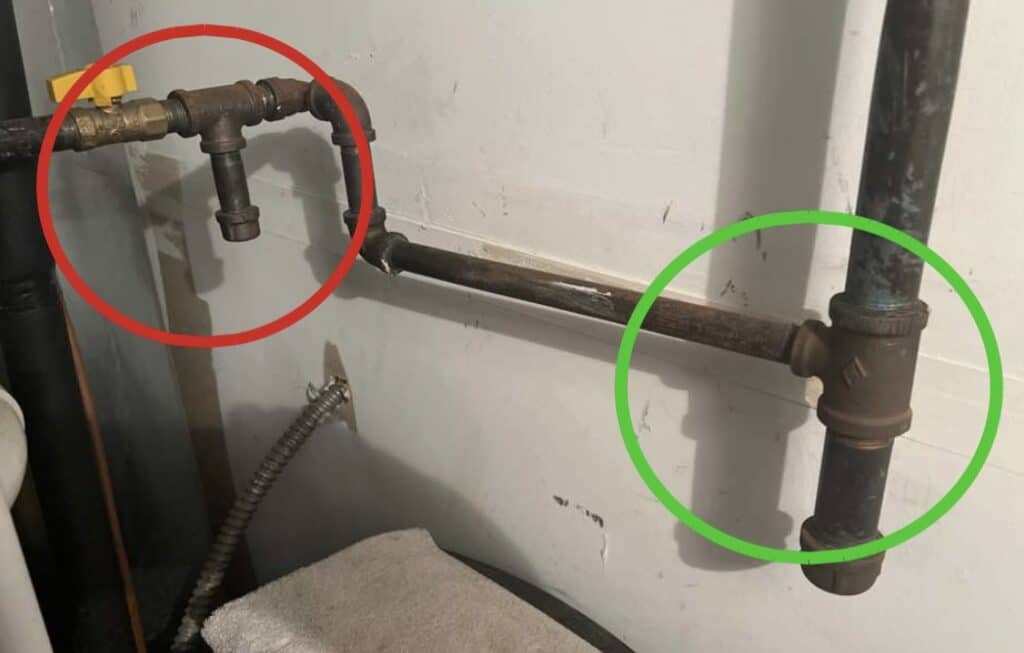
Gas and particularly natural gas piping may have traces of sediment or particulates in it, especially if work has been done to the underground piping under the street. To trap any contaminates before they flow into the appliance, blocking the burner and creating problems for the home owner a series of dirt legs are installed. […]Read More about Gas Line Dirt Legs

Thermostat Placement Is Crucial

March 13, 2025 By David Roche

A badly placed thermostat plays havoc with the heating and cooling of a house. In this case the wall light creates a warm zone beside the thermostat causing it to register hotter than the rest of the house. This means that it reaches what it registers as the set temperature shutting the furnace down before […]Read More about Thermostat Placement Is Crucial

Bath Overflow Loose

January 25, 2025 By David Roche

All too often the overflow on the bathtub is loose or worse yet loose and the gasket damaged. If the bath is filled up to the overflow and it is loose the water will go down behind the tub which if it’s on the second floor could damage the ceiling. The water can also create […]Read More about Bath Overflow Loose

Bonding Gas Piping

January 8, 2025 By David Roche

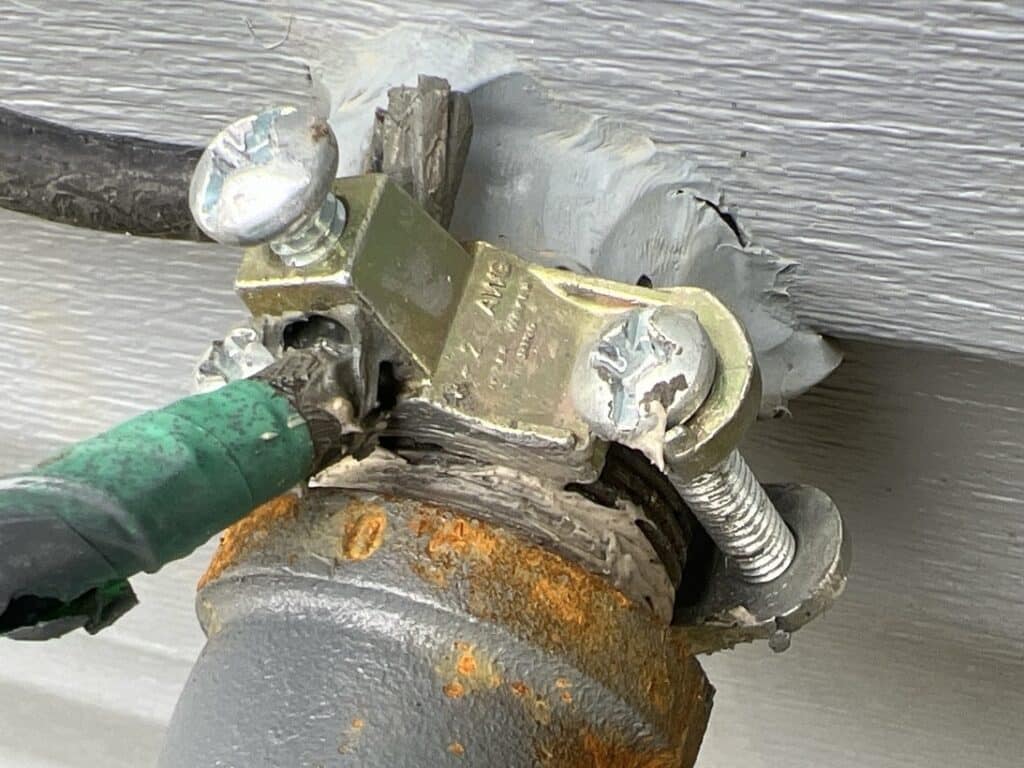
A bonding wire is often mistaken for a ground wire, it does not go to ground but back to the electric panel. When it is connected to black iron *(steel)* piping the paint under the clamp must be removed with a rasp or sandpaper to make a good contact, paint reduces the contact rendering the […]Read More about Bonding Gas Piping

High Efficiency Furnaces In Attic

December 31, 2024 By David Roche

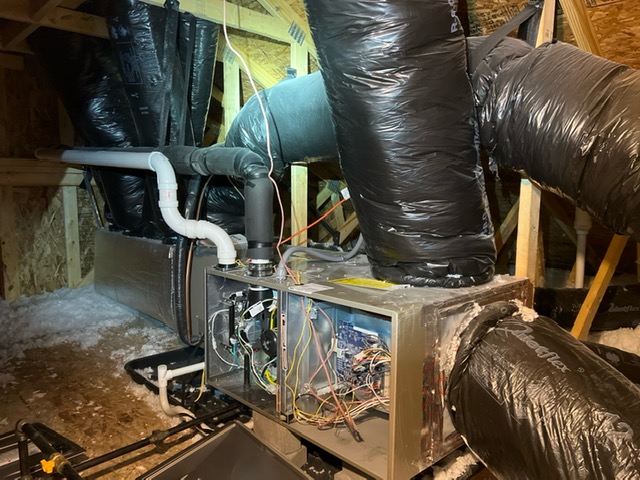
High efficiency furnaces recognisable by the white PVC flue pipe, installed in an unheated attic is not your best choice of location, it may be the only place to put it which does not change the fact that it is not ideal. Yes, many builders and furnace installers are installing them in the attic without […]Read More about High Efficiency Furnaces In Attic

Buyer's Inspection Service

Mailing Address
P.O. Box 707
Xenia, OH 45385

Address (No walk-ins)
120 West Second Street
Dayton, OH 45402

Clebrating 26 Years of Business
ASHI - American Society of Home Inspectors
InterNACHI - International Association of Certified Home Inspectors
ASI - American Inspectors Society

Connect with Us

  • facebook
  • youtube
  • phone
  • email

NAHI - National Association of Home Inspectors, Inc.

About Us

We are local, not a franchise that "self certifies" its Inspectors. We have earned the highest level of licensure available in the country and are ready to give you the Inspection you deserve. Our referrals and reviews tell us that we are really detailed, strive to deliver a quality product and are great at explaining what we find.

Customer Reviews

Google Rating
Based on 562 reviews
Facebook Rating
Based on 25 reviews
Yelp Rating
Based on 13 reviews

(937) 372-1445
© 2025 Buyer’s Inspection Service · Legal Disclaimer